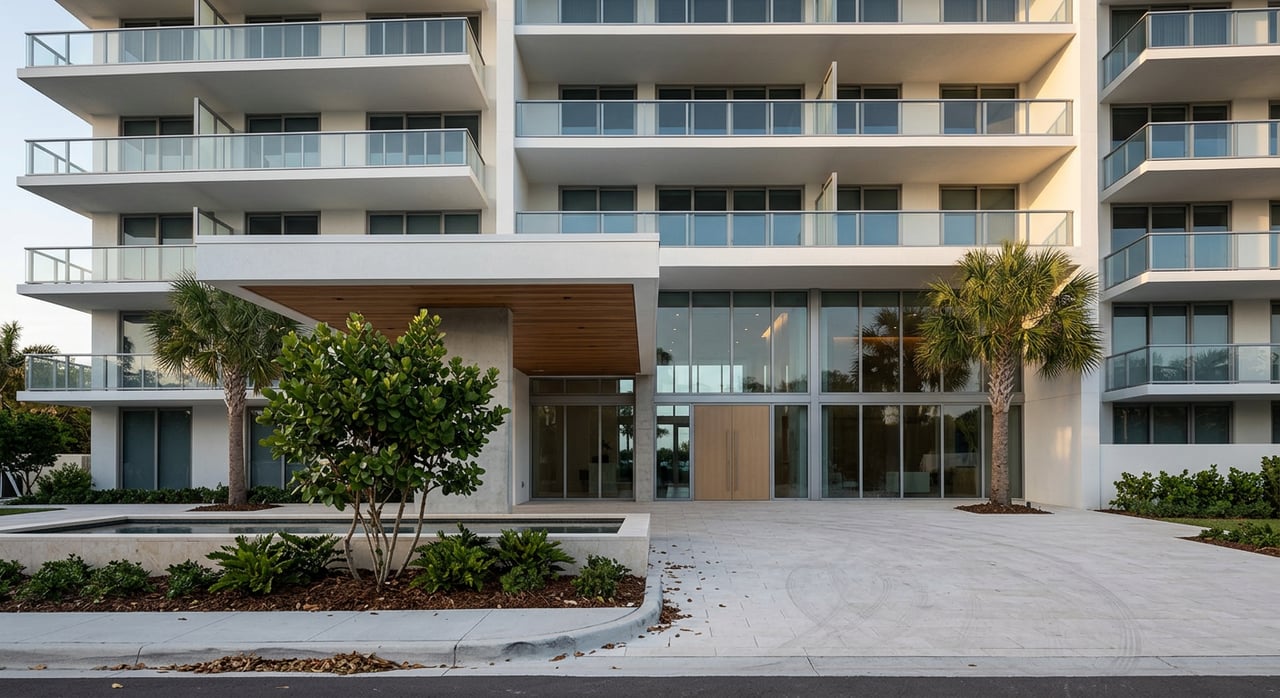
Should You Own or Rent a Condo on Lido Key?
Salt air, turquoise water, and a front-row seat to Gulf sunsets can make Lido Key feel like a dream you want to keep. If you are weighing a seasonal escape or an investment, the big question is simple: should you own a beach condo or rent as needed? Your answer depends on how you plan to use the property, what each building allows, and the true costs behind the view.
In this guide, you’ll see how local rental rules work, what to check in a condo building, what income is realistic, and how to compare owning with renting. You will also get a step-by-step checklist to move forward with confidence. Let’s dive in.
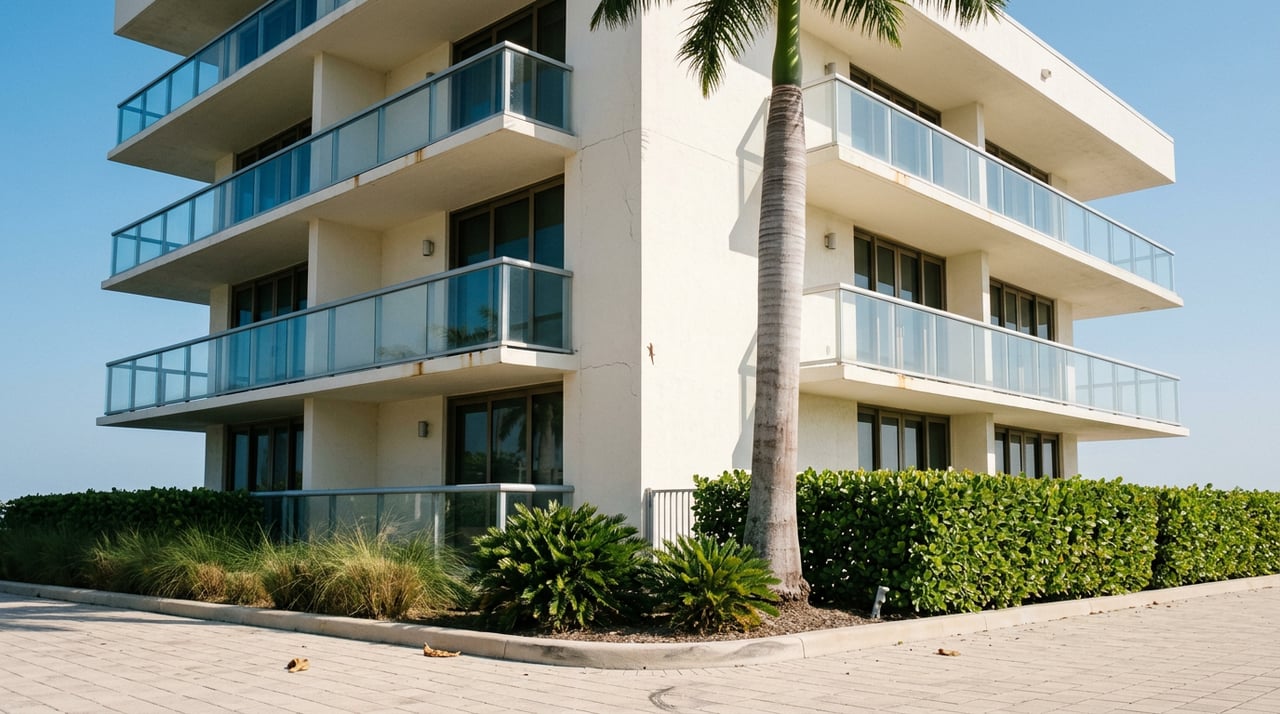
Lido Key sits beside St. Armands Circle and minutes from downtown Sarasota. The island blends Gulf-front towers, bayfront buildings, and smaller mid-rise condos. Prices span a wide range, with public listing snapshots suggesting values in the high six to low seven figures for many units. Views, building amenities, and each association’s policies drive a lot of the variation.
If you picture occasional winter escapes, you may be better off renting a few prime weeks. If you want a place to return to every season, or plan to hold for years, ownership can deliver lifestyle certainty and potential long-term equity.
Short-term rental rules on Lido Key depend on the city, state licensing, and each condo’s own documents. Getting this right protects your income and your resale value.
Many Lido Key properties fall within the City of Sarasota. The city enforces a 7-night minimum stay for vacation rentals and operates a registration program. The city’s certificate requirement does not apply to condominiums and cooperatives, but advertising and conduct rules still matter, and other laws still apply. Always confirm the address and building type against the city’s guidance in the City of Sarasota vacation rental rules, then verify any building-specific policies with the association.
Association rules are often the deciding factor. Declarations and bylaws can limit minimum lease terms, set the number of leases per year, require screening, or even prohibit short stays. Boards can also levy special assessments and manage reserves that affect values. Review the full association packet under Florida’s Condominium Act (Chapter 718) before you buy or plan rentals.
If you repeatedly rent to short-term guests, Florida generally requires a license through the Division of Hotels & Restaurants. Condo units fall under the “Vacation Rental — Condominium” category. Start with the Florida DBPR vacation rental licensing guide to understand when a license is needed and how to comply.
Beyond views and amenities, a building’s structural and financial health can shape your experience.
Florida’s post-Surfside law (SB 4-D) requires milestone structural inspections for condominium buildings that are three stories or more, generally at 30 years from completion, with coastal exceptions at 25 years under local rules. These inspections and stricter reserve requirements can lead to capital projects and special assessments. Ask whether your building has completed its required inspection and what repairs or reserve changes are planned. Review the statute text to understand the framework in the SB 4-D milestone inspection law.
Barrier islands face hurricane wind and flood exposure. Lenders often require flood insurance if the unit lies in a FEMA flood zone. Confirm the property’s designation using the FEMA Flood Map Service Center. Insurance markets in Florida have seen volatility, which can affect premiums, deductibles, and availability. Obtain current quotes for both the association’s master policy and your unit coverage, and pay attention to hurricane deductibles.
Sarasota’s short-term rental market is seasonal. According to the AirDNA Sarasota market overview, area occupancy runs around the low 60% range and average daily rates hover in the low to mid $300s. Prime, Gulf-front buildings and well-furnished two-bedrooms can outperform, while interior units or buildings with tighter rental limits may lag.
Factor in management and operating costs. Full-service vacation rental managers commonly charge about 20 to 30 percent of gross. Long-term managers often charge around 8 to 12 percent. These ranges appear in disclosures such as this SEC filing discussion of management fees. Always model net income after management, cleaning, platform commissions, utilities, supplies, taxes, and a maintenance reserve.
Before you choose to buy, outline your true monthly and annual costs. Common line items include:
Short-term stays are taxable lodging in Florida. The state imposes sales and transient rental taxes, and Sarasota County adds a Tourist Development Tax that has been reported at 6 percent. Combined, short-stay taxes typically add up to a low-teens percentage on nightly rates. Platforms may collect and remit some taxes, but you are responsible for registration and compliance. For the framework, see Florida’s sales and tourist development tax statutes and confirm specifics with the county and state.
Lenders treat second homes and investment properties differently. Some loan programs restrict short-term rental use, and buildings that are non-warrantable can limit conventional financing options. Owner-occupancy ratios, litigation, reserves, and insurance can influence underwriting. If financing matters to you, verify the building’s eligibility early and align your loan program with your intended use.
On resale, buildings with healthy reserves, clear inspection status, and straightforward rental policies tend to attract broader buyer pools. Heavy upcoming assessments or unsettled litigation can narrow demand and affect pricing.
Use this quick checklist to decide whether owning or renting best fits your goals:
If you want a place you can return to year after year, and you are comfortable with upfront diligence and carrying costs, ownership on Lido Key can be deeply rewarding. If you prefer a low-commitment seasonal escape, renting in peak months may be the smarter move.
When you are ready to explore the right buildings for your lifestyle and plans, connect with a trusted local advisor who knows the island’s associations, policies, and quiet nuances.
Looking for clarity tailored to your goals? Reach out to Juli Pearce for a low-pressure, data-informed conversation about the best path for your Lido Key season.
Let Julianne guide you through Sarasota’s luxury real estate market with the expertise, insight, and personalized attention you deserve. From beachfront estates to serene golf course homes, your ideal Florida lifestyle is just a phone call away.