Single-Family Or Condo On Siesta Key? Weighing The Tradeoffs
Are you picturing carefree condo living or a private single-family retreat on Siesta Key? It is a common fork in the road, especially if you are balancing beach access, seasonal use, upkeep, and long-term costs. On this island, the right choice is rarely about which property type is “better” in general. It is about how you want to live, what level of responsibility feels right, and which part of Siesta Key fits your routine. Let’s dive in.
Siesta Key is a barrier island, and its layout shapes daily life more than many buyers expect. Visit Sarasota County describes the north end around Siesta Key Village as the island’s social heart, while the southern areas feel quieter and more restorative. Crescent Beach is described as more secluded, and Turtle Beach has a more natural setting with boat-launch and kayak access.
That means your decision is not only condo versus single-family. It is also about whether you want to be closer to the Village, near a beach hub, or farther south where the pace may feel more relaxed. On Siesta Key, location and property type work together.
Transit also plays a role. Sarasota County’s free Route 77 Siesta Islander runs daily from 8 a.m. to 10 p.m. and connects downtown Sarasota, Siesta Key Village, Siesta Beach, South Village, and Turtle Beach Park & Campground. If you want easier movement around the island without always driving, that can be a meaningful lifestyle advantage.
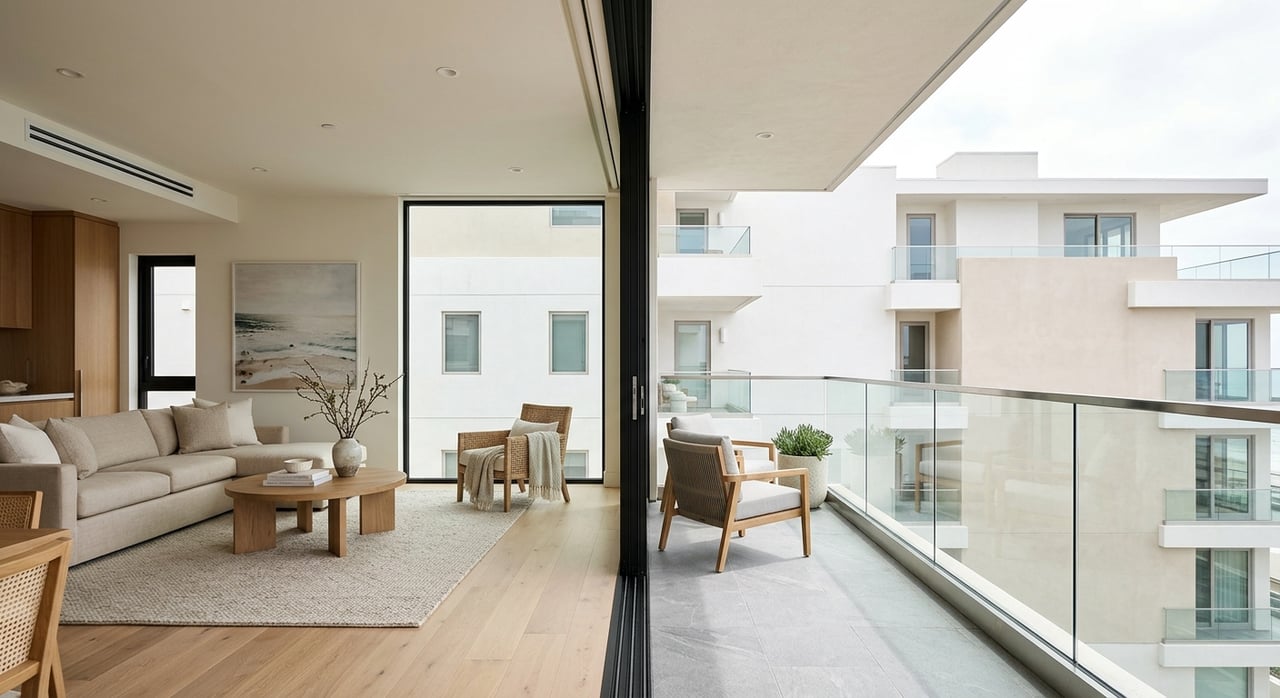
For many buyers, a condo offers a simpler ownership experience. Under Florida’s condo ownership structure, the association is generally responsible for maintaining, repairing, and protecting the condominium’s land and shared facilities, while you typically own the unfinished interior surfaces, interior partitions, cabinets, appliances, and fixtures within your unit.
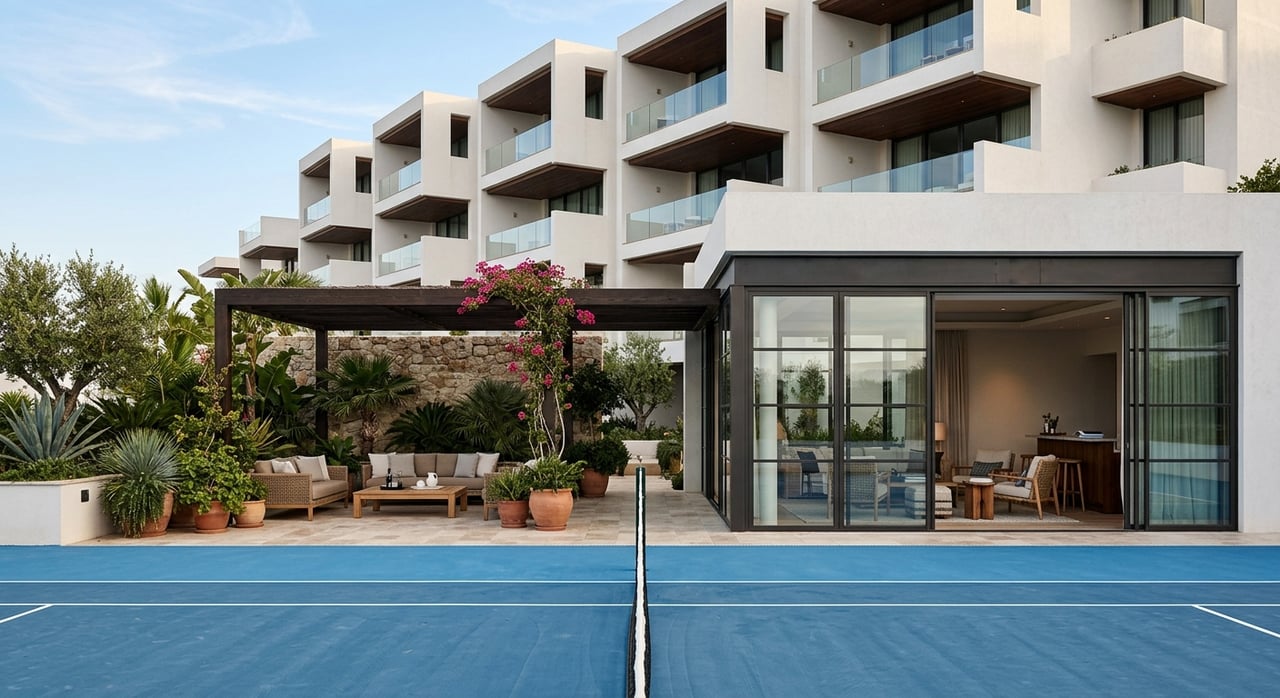
In practical terms, that often means less hands-on exterior maintenance for you. It can also mean shared access to features like pools, tennis courts, or elevators, depending on the building. For seasonal owners and second-home buyers, that lower-maintenance setup is often a major reason condos stay high on the list.
A Siesta Key condo may be a strong fit if you want:
That said, condo ownership comes with a different layer of responsibility. You are not only buying the unit. You are also buying into a shared governance structure.
Florida’s condo-purchase guidance makes clear that buyers should review key association details before closing, including:
These details shape your monthly costs, your flexibility, and your day-to-day experience. A beautiful unit can look perfect at first glance, but the association’s financial health and rules matter just as much.
Monthly dues are not only about routine services. Florida’s current condo rules also affect carrying costs in many buildings, especially those three stories or higher. According to the Florida Department of Business and Professional Regulation, milestone inspections and structural integrity reserve studies may apply, and associations with insufficient reserve funding may need assessments or loans to meet funding requirements.
For you, that means condo expenses can reflect both everyday operations and longer-term compliance and reserve obligations. This is one of the most important tradeoffs to understand before you buy.
Florida law requires condominium associations to maintain adequate property insurance for association property and common elements, and those costs are treated as a common expense. At the unit level, condo policies are typically HO-6 policies that primarily cover personal property and liability.
Florida’s condo insurance guidance also says these policies must include at least $2,000 of loss-assessment coverage with a deductible no greater than $250. This is another reason it helps to understand exactly what the association covers versus what you will need to insure personally.
If privacy and control rank high on your list, a single-family home may feel more natural. Florida’s homeowners insurance overview says owner-occupied single-family policies typically cover the dwelling, attached structures, certain unattached structures, personal property, and liability.
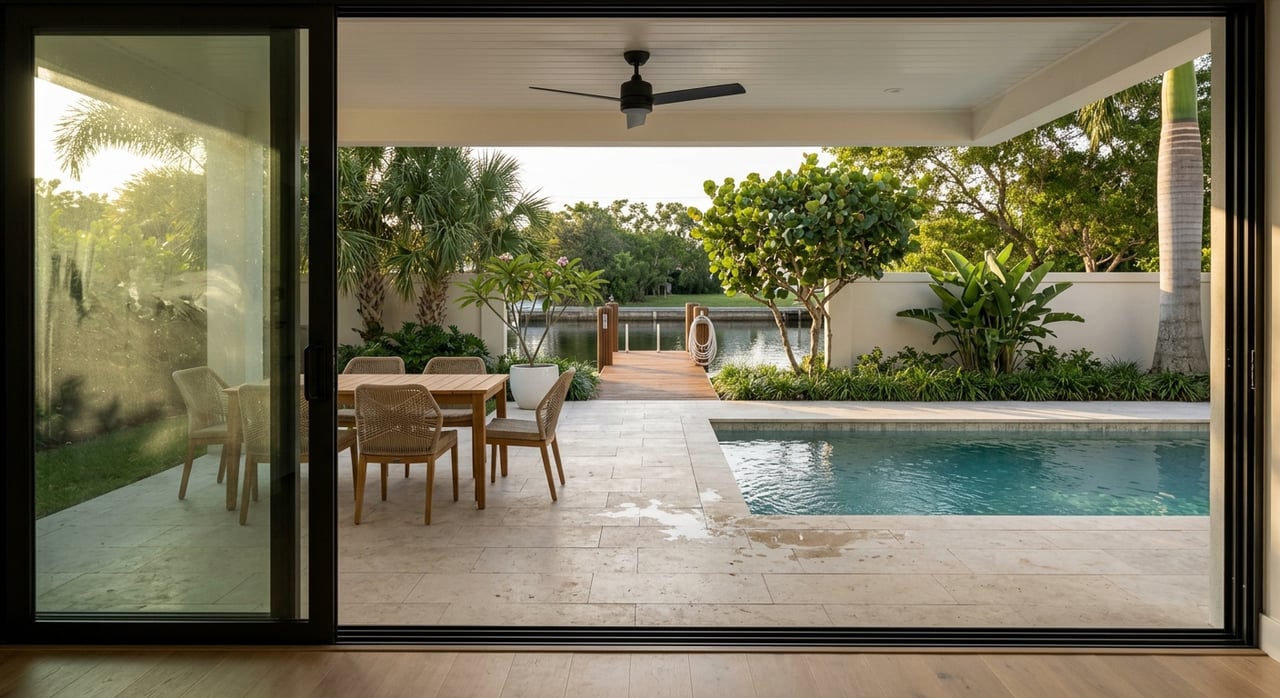
With a single-family home, you generally have more direct control over the property and site. For many buyers, that translates into more privacy, fewer shared-wall interactions, and more freedom in how outdoor space is used.
A Siesta Key single-family home may be a better fit if you want:
This can be especially appealing if you expect to live on Siesta Key full-time or want your home to function as a more private coastal base.
The tradeoff is responsibility. Without a condo association handling common elements and exterior shared systems, more of the upkeep falls directly to you. That can include routine maintenance, storm preparation, and broader property oversight.
On a barrier island, that responsibility matters. The ownership experience can feel more personal and flexible, but it can also require more attention, planning, and vendor coordination.
Standard homeowners insurance does not usually cover flood damage. Florida’s insurance overview says flood damage requires separate flood coverage, which is a major consideration on Siesta Key.
This is not just a technical detail. It is one of the most practical budget and risk questions to answer early when comparing homes.
No matter which property type you prefer, flood risk should be part of your decision from the start. Sarasota County says its Gulf location, flat topography, and subtropical climate make the area susceptible to coastal, riverine, and urban flooding from heavy rain, tropical storms, hurricanes, and storm surge.
The county also states that most homeowners insurance does not cover flood damage. Whether you are looking at a condo or a single-family home, it is wise to verify flood hazard information and review flood insurance needs early in the process.
On Siesta Key, beach convenience is not the same everywhere. Siesta Beach has a large public parking area and on-site concessions, but Sarasota County’s beach-access inventory shows that some access points on the island have very limited parking or no parking at all.
That means the exact address matters. A property that looks ideal on paper may feel less convenient if your preferred beach access is pedestrian-only or parking is limited. In some cases, beach access and parking can matter as much as finishes, view lines, or square footage.
A condo often aligns well with seasonal residents, snowbirds, and second-home buyers who want a more lock-and-leave setup. If you want easier ownership, shared amenities, and potentially easier access to island activity, a condo may check more of your boxes.
This can be especially true near the Village or other beach-centered areas, where proximity to activity and convenience may be part of the lifestyle you want. If your goal is to enjoy Siesta Key with less hands-on property management, condo living may feel like the smoother fit.
Single-family homes often appeal to full-time residents and buyers who prioritize privacy, direct control, and a less communal living environment. They may also suit buyers who want more room for entertaining, pets, or outdoor living.
On the quieter southern stretches of Siesta Key, that lifestyle can feel especially compelling. If your idea of island living includes more space, more separation, and a stronger sense of retreat, a single-family home may be the better match.
If you plan to make the property your permanent residence, Florida homestead rules are worth reviewing early. The state’s homestead application requires the property to be your permanent residence as of January 1, and the application must be filed with the county property appraiser by March 1.
If you are buying as a seasonal or second-home owner, you usually will not meet that permanent-residence test. That can lead to a materially different tax picture than a primary-residence purchase.
Before you decide, focus on the details that most affect daily life and long-term ownership.
The condo-versus-single-family question on Siesta Key is rarely about a universal right answer. It is usually a choice between maintenance relief and shared amenities on one side, and privacy and direct control on the other.
Once you layer in beach access, parking, flood exposure, insurance needs, and where on the island you want to be, the best option often becomes much clearer. If you are weighing a seasonal beach base against a more private full-time retreat, the smartest path is to match the property type to your actual rhythm of life, not just the listing photos.
If you want a thoughtful, low-pressure conversation about how a condo or single-family home might fit your Siesta Key goals, Juli Pearce offers a concierge-style approach designed around lifestyle fit, ownership priorities, and a smooth Sarasota-area transition.
Let Julianne guide you through Sarasota’s luxury real estate market with the expertise, insight, and personalized attention you deserve. From beachfront estates to serene golf course homes, your ideal Florida lifestyle is just a phone call away.